
About the
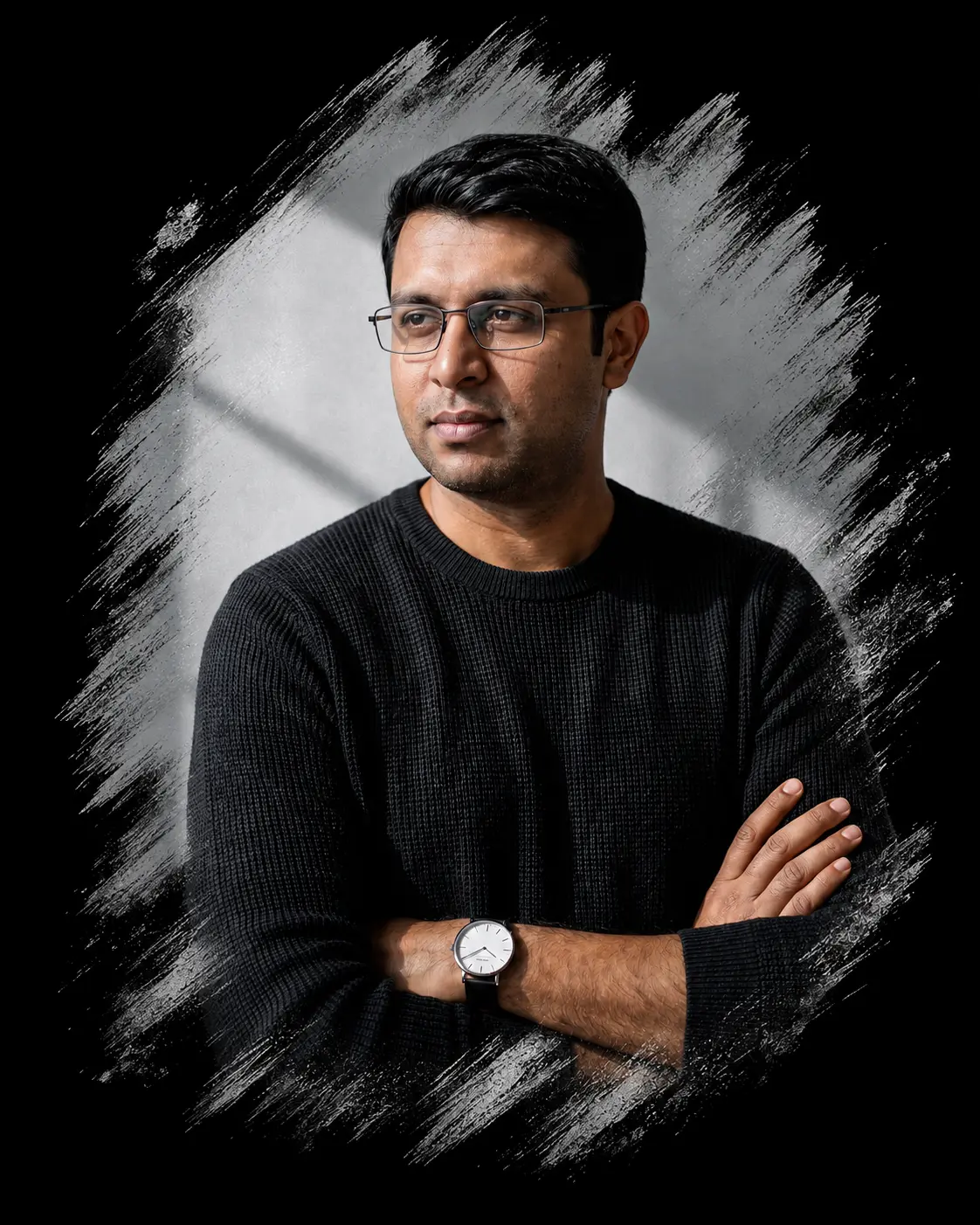
MUSTAFA JAMAL
Career Consultant | Professional Resume Writer | Executive Career & Personal Branding Specialist
From Hiring Talent to Helping Professionals Get Hired
A consultant who understands both sides of the hiring desk
Approach:
Clarity → Strategy → Positioning → Opportunity
Every professional has a story. Mustafa’s role is to help you communicate that story in a way that makes the right employers take notice.
- “Your experience has value. The right strategy makes that value visible.”
Key Focus Areas
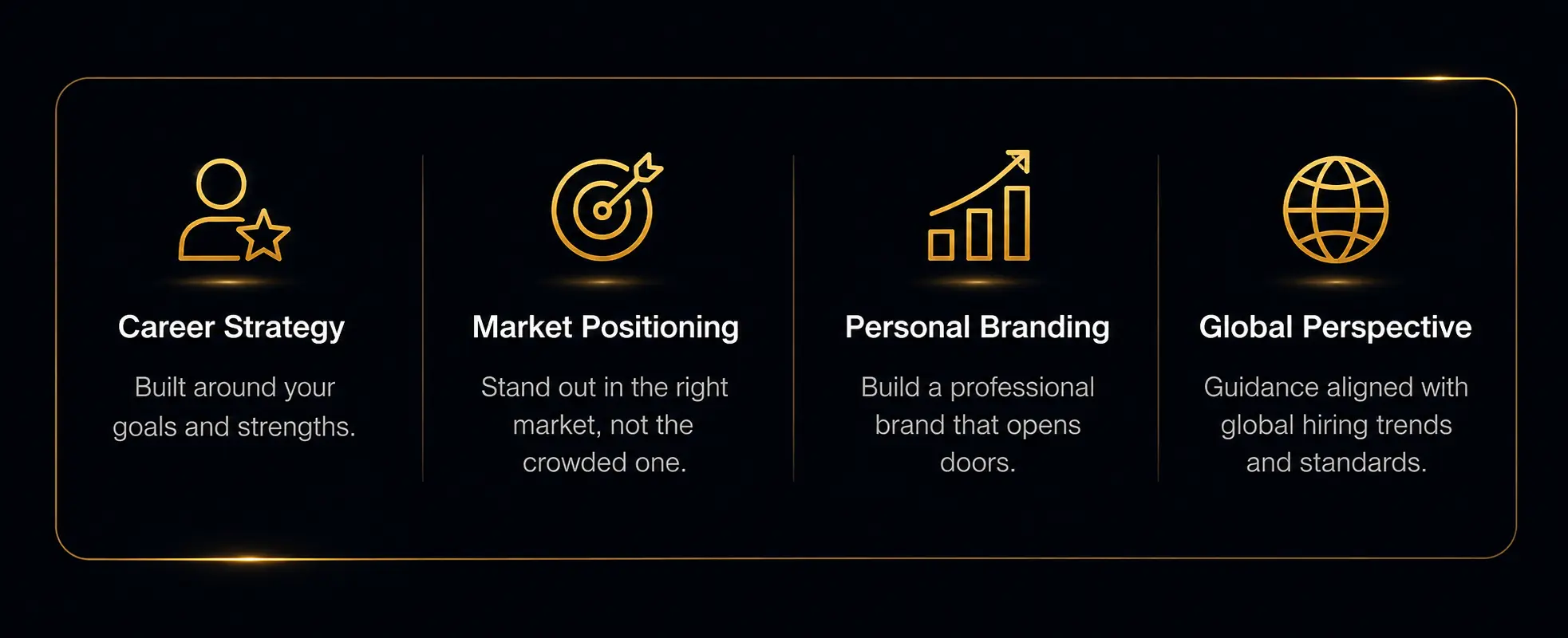
Strategic Career Positioning
Executive & Professional Resume Strategy
Personal Branding
LinkedIn Positioning
Global Job Search Strategy
Interview & Career Coaching
A Career Built Around Understanding How People Get Hired
My professional journey began with a foundation in accounting, finance, and business, including an MBA in Accounting and Finance. My early career included experience in customer service, accounting, and financial operations, giving me an understanding of how businesses operate and how professionals contribute to organizational objectives. My career then moved into Human Resources and recruitment, where I gained direct exposure to the employer side of the hiring process.
As an HR professional, I worked with recruitment processes, interview and recruitment records, candidate evaluation, HR interviews, offer documentation, and onboarding activities. This experience gave me an opportunity to see how organizations evaluate candidates and make hiring decisions.
Being qualified for a position and effectively communicating that qualification are two very different things
From HR and Recruitment to Recruitment Consulting
As a recruitment consultant, I worked with organizations and clients across a diverse range of industries, including textile, sugar, information technology, cybersecurity, pharmaceuticals, NGOs, and other sectors. Working across different industries exposed me to different types of organizations, professional roles, talent requirements, and hiring expectations. It showed me that there is no universal definition of a “strong candidate.”
The experience, skills, achievements, and professional qualities that matter for one organization or industry may not carry the same weight somewhere else. Understanding the employer, understanding the position, and understanding what makes a candidate relevant became increasingly important to me. This experience later became one of the most valuable foundations of my work in career consulting and resume writing.
Why I Created MJ Career Consulting
After years of working across recruitment, HR, professional resume writing, career documentation, and independent consulting, I wanted to bring everything I had learned into one professional practice. That became MJ Career Consulting.
MJ Career Consulting was created from the belief that professionals need more than a polished resume. They need to understand how they should position themselves, what makes their experience valuable, how to communicate that value, and how to present a consistent professional brand across today’s hiring platforms. My work now brings together the different perspectives I have developed throughout my career:
The employer perspective
understanding recruitment and hiring requirements.
The recruiter perspective
understanding how candidates are evaluated and what organizations look for.
The candidate perspective
understanding the challenges professionals face when trying to communicate their experience.
The career-branding perspective
understanding how resumes, LinkedIn profiles, professional letters, interviews, and personal branding can work together.
What I Do at MJ Career Consulting
My services include
Strategic Career Positioning
Executive & Professional Resume Writing
Professional Letter Writing
Personal Branding
LinkedIn Profile Optimization
Executive Branding
Global Job Search Strategy
Interview & Career Coaching
Career Consulting & Strategy
My Approach in an AI-Driven Job Market
Artificial intelligence has fundamentally changed the career-services industry.
Today, professionals can use AI tools to generate resumes, cover letters, LinkedIn profiles, interview answers, and job-search materials within minutes.
I don’t believe the answer is to ignore AI.
I believe the answer is to understand where AI is useful—and where human career expertise remains essential.
AI can generate content. But a successful career strategy requires understanding the person behind that content.
It requires determining:
- Which experiences matter most?
- Which achievements should be emphasized?
- How should a career transition be positioned?
- What does the target employer actually value?
- How should an executive communicate leadership impact?
- How should the resume, LinkedIn profile, cover letter, and interview strategy work together?
My approach is therefore not AI versus human expertise. It is human career strategy supported by modern technology
The Journey Continues
MJ Career Consulting represents the next chapter of a career that has evolved through finance, HR, recruitment, recruitment consulting, professional resume writing, career analysis, and independent career consulting.
Each stage contributed something different.
My business background gave me commercial perspective.
HR taught me about organizational processes.
Recruitment taught me how employers approach hiring.
Recruitment consulting exposed me to organizations and hiring requirements across industries.
Professional resume writing exposed me to thousands of career stories across global markets.
Resume analysis strengthened my attention to quality, relevance, and career positioning.
Independent consulting taught me the importance of understanding the individual behind the document.
And all of these experiences ultimately led me to build MJ Career Consulting.
Today, my goal is simple:
To help professionals understand their value, communicate it with clarity, and position themselves for the opportunities they want next
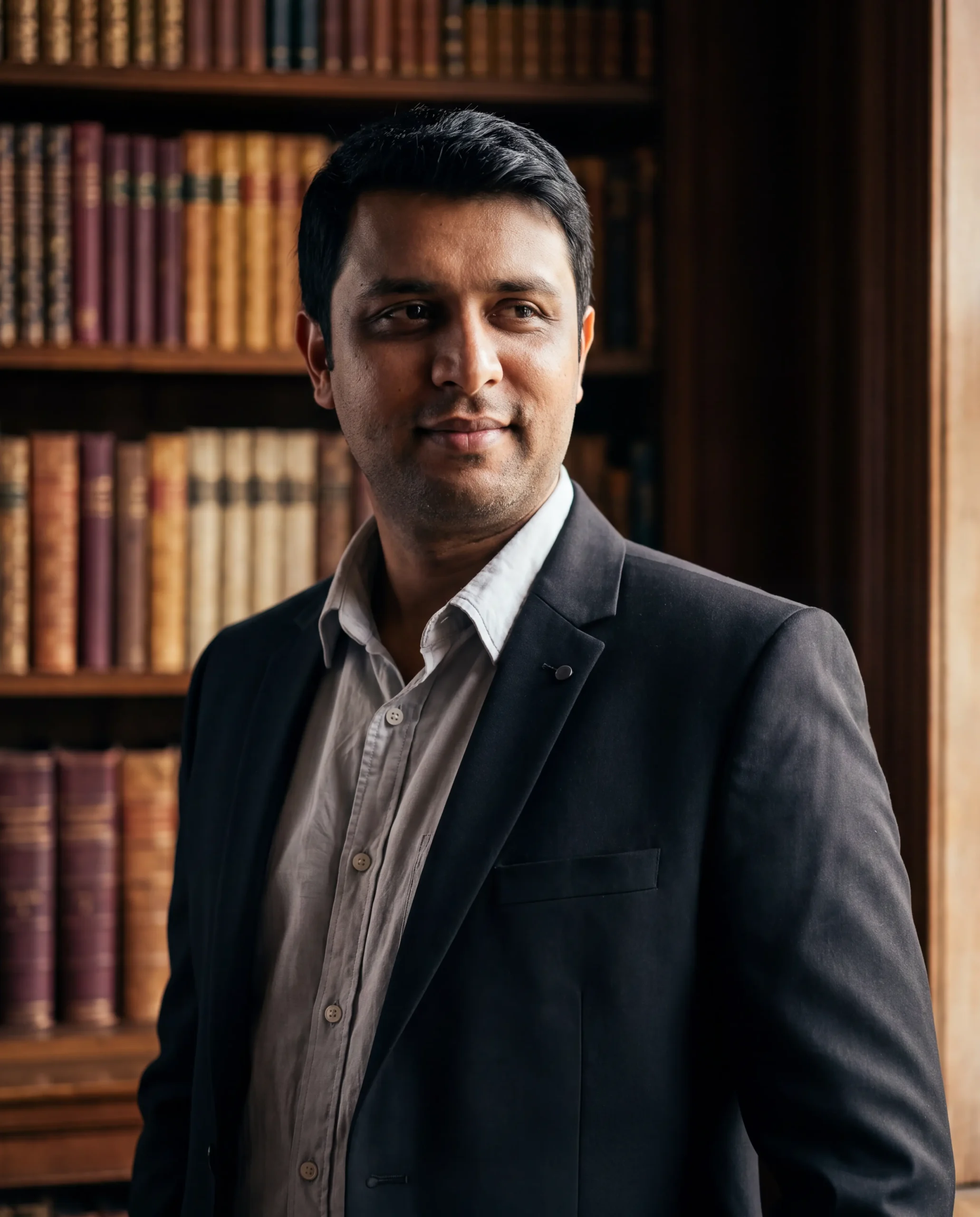
— Mustafa Jamal Founder, MJ Career Consulting
Frequently Asked Questions
FAQ
MJ Career Consulting is my personal career consulting and professional branding practice. I’m Mustafa Jamal, and I work directly with professionals to develop resumes, LinkedIn profiles, executive branding materials, career strategies, and other professional documents designed around their individual career goals.
Career consulting is personalized professional guidance designed to help you make better decisions about your career.
Unlike resume writing, which focuses primarily on career documents, career consulting looks at the bigger picture.
Depending on your situation, I may help you evaluate:
- Career direction.
- Target roles.
- Career transitions.
- Professional positioning.
- Job-search strategy.
- Skills and qualifications.
- Market opportunities.
- Career gaps.
- Executive advancement.
- International opportunities.
The goal is to help you make informed career decisions rather than simply sending more applications.
Resume writing focuses on creating or improving your resume.
Career consulting focuses on what you should do with your career.
For example:
Resume Writing:
“I will help you present your experience effectively.”
Career Consulting:
“I will help you determine which roles you should target, how you should position yourself, and what strategy you should use to pursue those opportunities.”
In many cases, both services can complement each other.
Yes, within the scope of professional career consulting.
I can help you evaluate your:
- Experience.
- Skills.
- Achievements.
- Interests.
- Transferable capabilities.
- Career history.
- Professional goals.
- Target industries.
I can then help identify realistic career directions and the positioning required to pursue them.
Yes.
Career-change consulting can help you determine how your existing experience can support a transition into a different role, function, or industry.
For example:
Current: Financial Analyst
Target: Business Intelligence Analyst
Instead of treating the transition as starting over, I would identify relevant experience involving:
- Data analysis.
- Reporting.
- Business intelligence.
- SQL.
- Dashboards.
- Forecasting.
- Decision support.
The strategy is to build a bridge between your current career and your target career.